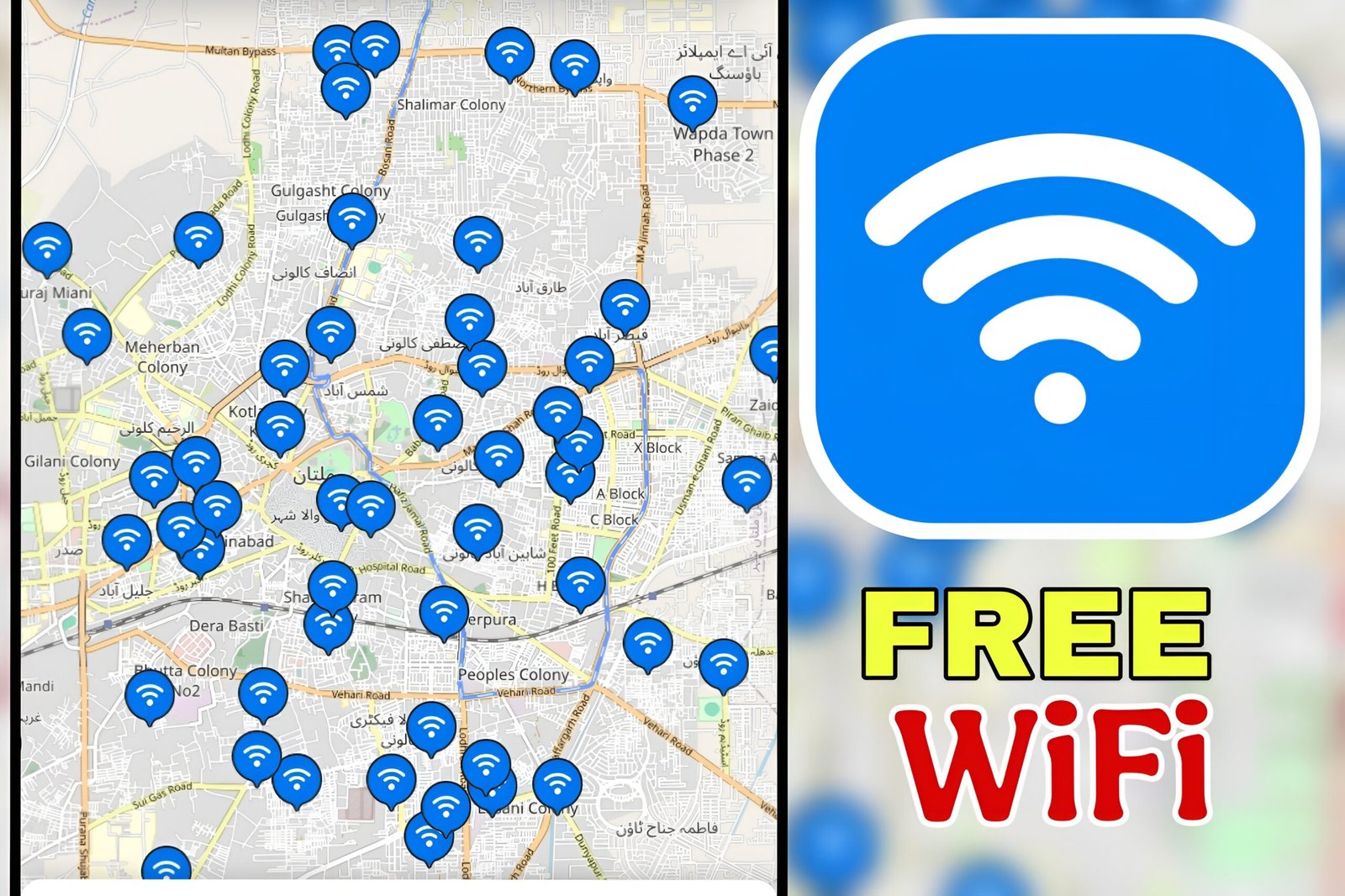
Have you ever been stuck in one of those huge bustling cafés halfway across the world, out of everything on your mobile phone, and trying to search desperately for internet connection? These days, nothing kills the connected vibe like spotty WiFi or eye-watering roaming fees. This is where the WiFi Map app swoops into action – a trusty sidekick for those traveling, remote workers, or anyone needing to find overly secured hotspots near them without the hassle. Millions of spaces worldwide are shared by users to make the search for free Wi-Fi somewhat easy, completely with the prioritized promise of security.
What is a WiFi Map App?
The WiFi Map app is just like a vast treasure map on the globe that contains discovered free and public WiFi networks, crowdsourced from a very large community of users just like you. It was launched a few years ago, continually evolving, and now boasts access to over 150 million hot spots across more than 200 countries. At its core, it uses to help locate nearby networks and snag up passwords, all while connecting seamlessly whether you are navigating a new city or just stepping out for coffee.
It was meant for everyone who is on the run-a digital nomad sipping lattes in Lisbon, students cramming in libraries abroad, or business pros squeezing in emails during layovers. People look for it because traditional carrier plans can sting your wallet and built-in phone finders often seem slight on accuracy or speed. In a world where data caps and slow public nets tend to be the norm, WiFi Map steps up as a free, community-powered solution that feels like having a local insider tip you off every time.
What makes it stand out is the fact that it goes beyond simplicity and smarts; it’s not just a list but rather an interactive ecosystem that rewards contributors and adds extras, such as VPNs, for peace of mind. If you ever complained about “no signal” zones, this app is your antidote for switching that frustration into fluid browsing.
Why Should Use WiFi Map App
It was not just smart; ditching a pricey data plan for public WiFi has recently become almost a requisite within the European travel world in 2025. The particular advantages of the WiFi Map app are misdirection in the real-world headaches found in poor connection quality and a risk of danger in some way. Here are the reasons download it on this day:
- Cost Savings on Data Roaming: Why burn through your mobile allowance when you can tap into free hotspots? Users report slashing their bills by up to 80% on trips, freeing up cash for that extra gelato in Italy.
- Real-Time Accuracy from the Crowd: Unlike static directories, this app thrives on user updates, ensuring passwords and availability are fresh. It’s like Waze for WiFi—community-driven for spot-on results.
- Enhanced Security Layers: Public nets scream “hack me,” but WiFi Map bundles VPN access to encrypt your traffic, shielding sensitive logins from prying eyes.
- Offline Reliability: Download maps ahead for remote areas where signal is iffy, so you’re never left guessing in the wilds of a national park or a quiet suburb.
- Bonus Perks for Frequent Flyers: Earn crypto rewards for adding spots, or snag eSIM deals for longer stays—it’s not just WiFi; it’s a full connectivity toolkit.
Compared to generic map apps or carrier tools, WiFi Map feels tailored, solving the “where’s the nearest safe spot?” puzzle with less fluff and more function. It’s invaluable for anyone prioritizing efficiency over endless scrolling.
Key Features
The WiFi Map app packs a punch with features that go beyond basic hotspot hunting, making it a standout in the crowded field of connectivity tools. Here’s a rundown of what makes it tick:
- Global Hotspot Database: Over 150 million verified spots, searchable by location, with filters for speed ratings and venue types like cafes or airports—perfect for quick urban dashes.
- Instant Password Sharing: Tap a pin, and boom—get the login deets from fellow users. No more awkward asks at the counter.
- Offline Mode with Downloaded Maps: Pre-load areas for travel sans data, ensuring you can navigate and connect even in airplane mode.
- Built-In VPN Protection: Unlimited sessions for premium users to secure your browsing, blocking trackers and threats on open networks.
- eSIM Integration: Seamless data top-ups for international jaunts, with plans starting cheap and covering 200+ countries—no SIM swaps needed.
- Community Rewards System: Add or verify hotspots to earn $WIFI tokens, a Web3 twist that gamifies contributions and builds the network stronger.
- Speed Tests and Ratings: User-submitted benchmarks help you pick fast, stable connections, avoiding those frustrating “loading forever” moments.
These aren’t gimmicks; they’re thoughtful additions that elevate finding hotspots near you safely from a chore to a confidence booster. Competitors might offer maps, but few weave in security and incentives so smoothly.
Tips & Tricks / Best Practices
Getting the most out of the WiFi Map app is all about smart habits—think of it as leveling up your digital nomad game. I’ve pieced together these nuggets from user forums and my own tinkering to help you connect smarter, not harder.
First off, always enable location services right away; it’s the app’s secret sauce for pinpoint accuracy. When searching, zoom in on your map and toggle the “high-speed” filter to skip sluggish spots—saves time during rush-hour hunts. For offline prep, download city packs before boarding that flight; I once pulled this off in rural Spain and felt like a connectivity wizard.
Hidden gem: The “near me” radar pulses live updates as you walk, so stroll with it open to snag pop-up cafes you might miss. Contribute often—snap a photo of the venue, rate the signal, and watch those $WIFI tokens roll in. It’s a win-win: you help the community, and it sharpens the map for everyone.
On the safety front, pair every public login with the app’s VPN toggle—it’s a one-tap shield against snoopers. Avoid auto-connecting to unknowns; manually verify via the app’s verification badges. And for battery hogs, dim the screen and close background apps while mapping. Pro tip: Set notifications for low-data zones in your itinerary apps to preemptively scout.
These tweaks turn casual use into a powerhouse routine, ensuring WiFi Map feels like an extension of your intuition rather than just another download.
Alternatives to WiFi Map App
While WiFi Map leads the pack for its sheer scale and extras, other apps can suit specific needs like ultra-local scans or ad-free vibes. Here’s a quick comparison table of solid alternatives:
| App Name | Description / Key Features |
|---|---|
| Instabridge | Community-driven hotspot finder with 20M+ networks; focuses on password sharing and offline access, great for budget travelers but lighter on VPNs. |
| Avast Wi-Fi Finder | Security-first scanner from Avast; includes threat detection, speed tests, and global maps—ideal if malware worries trump hotspot volume. |
| WiFi Master Key | Asia-heavy database with 300M+ spots; quick connects and social sharing, but interface can feel cluttered for Western users. |
| Fing – Network Tools | More diagnostic than mapping; scans home/public nets for vulnerabilities, with device discovery—best for tech-savvy users tweaking setups. |
| WiFinder | Simple, interactive map for nearby passwords; emphasizes public venues like hotels, with minimal ads but fewer international options. |
Each shines in niches, so pick based on your hotspot hunting style—none quite match WiFi Map‘s all-in-one flair, though.
Pros & Cons
No app is perfect, and WiFi Map has its share of highs and lows. I’ve broken them down in these tables for easy scanning, drawing from real user feedback to keep it balanced.
Pros
| Feature/Benefit | Description |
|---|---|
| Vast Global Coverage | 150M+ hotspots mean reliable finds almost anywhere, from Tokyo subways to New York parks—travelers swear by its reach. |
| User-Friendly Interface | Clean maps and one-tap connects make it newbie-proof; no steep learning curve, just instant gratification. |
| Integrated Security | VPN and eSIM perks add layers of protection, turning risky public nets into safe havens without extra apps. |
| Community Incentives | Earn rewards for contributions, fostering a growing, accurate database that’s always evolving. |
| Offline Functionality | Downloaded maps keep you connected (ironically) without data, a lifesaver in remote or flight-bound scenarios. |
Cons
| Issue/Drawback | Description |
|---|---|
| Ad Interruptions | Free version peppers in pop-ups, which can disrupt flow during urgent searches—premium ($4.99/month) dials this back. |
| Spotty Coverage in Rural Areas | Urban jungles thrive, but countryside or less-touristy spots lag; user density matters here. |
| Battery Drain on Maps | Constant GPS pings eat power; mitigate with airplane mode tweaks, but it’s noticeable on long hunts. |
| Premium Paywall for Extras | VPN and ad-free bliss require subscription; basics are free, but power users feel the nudge. |
| Occasional Outdated Passwords | Community reliance means some entries stale—cross-check with a quick venue ask if in doubt. |
These trade-offs are par for the course, but the pros often outweigh them for mobile lifestyles.
Who Should Use WiFi Map App?
The WiFi Map app isn’t a one-size-fits-all, but it clicks for certain crowds craving hassle-free connectivity. Here’s who stands to gain the most—and who might scroll past.
- Frequent Travelers and Nomads: If you’re jet-setting or van-lifing across borders, this app’s global reach and eSIM hacks keep you online without the bill shock—ideal for backpackers plotting routes via Google Maps.
- Budget-Conscious Students: Campus WiFi fails? Dive into nearby cafes or libraries with verified speeds, saving data for late-night study sessions.
- Remote Workers on the Move: Video calls in co-working spaces or hotels? The VPN ensures secure Zooms, while offline maps handle spotty signal zones.
- Urban Explorers: City dwellers dodging data caps during commutes or outings—quick hotspot hops make errands efficient.
On the flip side, if you’re glued to unlimited home broadband or rarely venture out, it might gather digital dust. Tech minimalists wary of community data could prefer simpler scanners, and rural residents with sparse coverage might find it frustratingly thin. Ultimately, it’s for those who treat internet access like oxygen—vital, varied, and on-demand.
How to Download & Use
Jumping into the WiFi Map app is straightforward, but doing it right ensures a smooth, secure start. Follow these steps to get up and running without a hitch.
- Head to Your App Store: On Android, fire up the Google Play Store; iOS users, open the App Store. Search “WiFi Map” (official developer: WiFi Map LLC) to avoid fakes—aim for the one with 10M+ downloads and 4.5-star ratings.
- Download and Install: Tap “Install” (it’s free, about 100MB). Grant location permissions when prompted—they’re key for nearby scans. On iOS, confirm any age ratings (it’s 4+).
- Launch and Set Up: Open the app, sign up with email or Google/Apple (skip for guest mode if privacy-focused). Allow notifications for hotspot alerts.
- First Hunt: Tap the map icon, zoom to your area, and browse pins. Select a spot, copy the password, and connect via your phone’s WiFi settings—done in seconds.
- Pro Usage Tips: Download offline maps via the menu (Settings > Offline Areas), enable VPN for shaded icons, and test speeds post-connect to rate it. For eSIM, browse the shop tab and activate plans in-app.
Stick to official stores to sidestep malware, and update monthly for fresh features. With practice, you’ll be hotspot-hopping like a pro, turning dead zones into digital oases.
Safety Tips for Users
Public WiFi is a double-edged sword—convenient but ripe for risks. The WiFi Map app builds in safeguards, but layering these habits keeps you bulletproof while finding hotspots near you safely.
- Trusted Sources: Always download from Google Play or Apple App Store; third-party APKs can bundle nasties. Verify the developer badge to dodge imposters.
- Permissions Check: Before hitting install, review requests—location and storage are fair game, but deny camera or contacts if unneeded. Tweak in your device settings anytime.
- Keep Updated: Enable auto-updates for patches against vulnerabilities. The app’s changelog often flags security boosts, like enhanced VPN protocols.
- Personal Info Guard: Never log into banks or share creds on un-VPN’d nets. Use the app’s incognito mode for sensitive searches, and log out of accounts post-session.
- Device Security Boost: Pair with a reputable antivirus (like Avast) for scans, and enable your phone’s built-in firewall. For extra paranoia, hotspot-tether from a secure mobile plan occasionally.
These aren’t overkill—they’re everyday armor in our always-online era. Remember, a quick VPN flick can thwart most threats before they brew.
Conclusion
Wrapping it up, the WiFi Map app is more than a hotspot hunter; it’s a lifeline for seamless, secure connectivity in a disconnected world. From its sprawling database and clever VPN to offline smarts and reward perks, it tackles the pains of travel and daily grinds head-on, all while keeping safety front and center. Whether you’re a globe-trotter dodging data fees or a local maximizing freebies, it delivers value without the fluff.
That said, dive in responsibly—update often, VPN up, and contribute to keep the map thriving. In 2025, staying connected shouldn’t cost your peace of mind. Grab WiFi Map today, plot your next spot, and reclaim your bandwidth. Safe surfing out there—what’s your first hotspot conquest going to be?