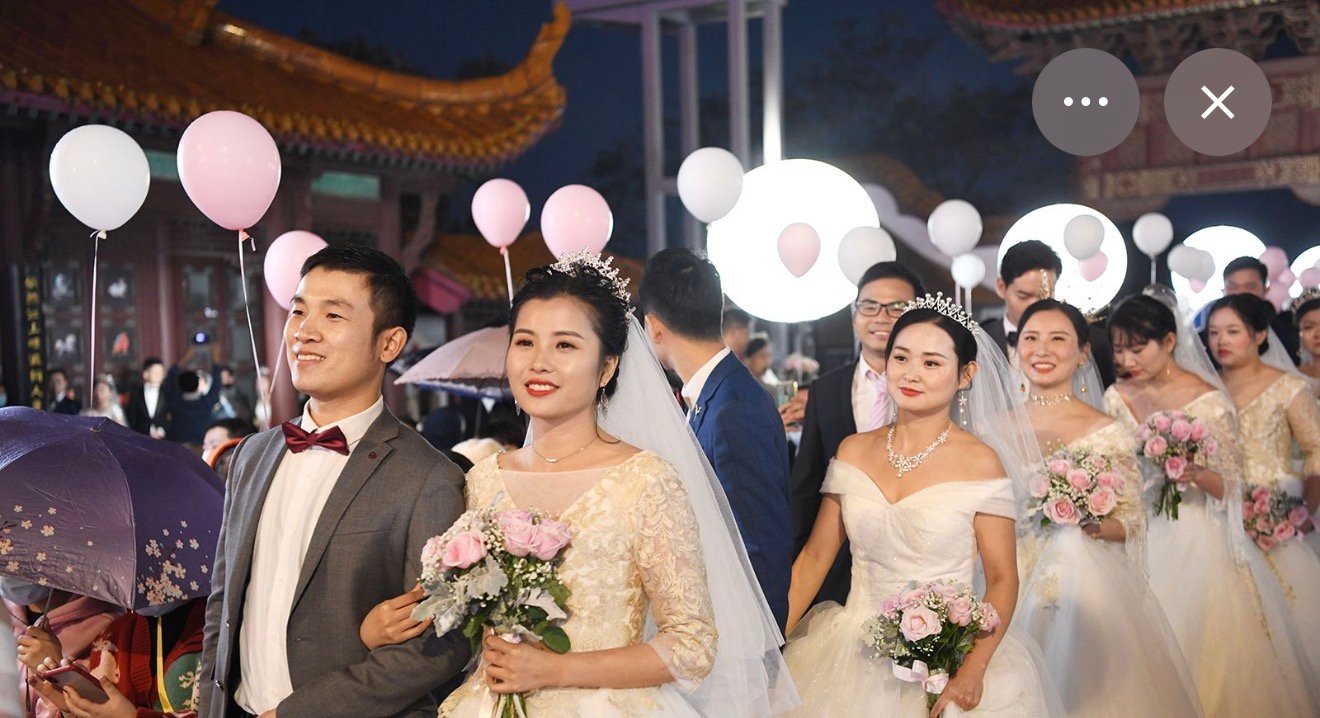
China Announces Big Cash Rewards for Anyone Who Gets Married and Has Kids
China is facing a demographic challenge that could reshape its future economy and society. With fewer young people getting married and birth rates falling year after year, the government is taking an unusual step: offering significant financial incentives to encourage people to tie the knot and start families.
The move has sparked global attention. Why is China paying people to get married and have children? And will cash rewards really change people’s decisions about family life?
Let’s break down what’s happening, why it matters, and what it could mean for China’s future.
Why China Is Worried About Its Falling Birth Rate
For decades, China’s population growth was tightly controlled by the well-known One-Child Policy, introduced in 1979. While the policy successfully slowed population growth, it also created long-term demographic problems.
Today, China faces three major challenges:
1. Rapidly Aging Population
China’s population is getting older quickly. Millions of people are reaching retirement age while fewer young workers are entering the labor market.
This creates pressure on:
- Pension systems
- Healthcare services
- Economic productivity
A shrinking workforce can slow economic growth, something China is eager to avoid.
2. Declining Birth Rates
China’s birth rate has been falling steadily. In recent years, the country recorded some of the lowest birth rates in its modern history.
Many young couples say they are delaying or avoiding having children because of:
- High housing costs
- Expensive education
- Career pressures
- Changing social values
3. Fewer Marriages
Marriage rates have also dropped significantly. In China, marriage is closely linked to childbirth, so fewer marriages usually mean fewer babies.
Because of this, the government is now targeting both issues simultaneously.
China’s New Plan: Cash Rewards for Marriage and Children
To reverse the trend, Chinese authorities have started introducing financial incentives for couples who marry and have children.
These incentives vary by region, but they generally include:
Cash Bonuses for Newly Married Couples
Some local governments now offer direct payments to couples who register their marriage.
These rewards may range from a few hundred to several thousand dollars depending on the province or city.
The goal is simple: make marriage more financially appealing for young adults.
Financial Support for Having Children
In addition to marriage incentives, many areas now offer benefits for childbirth, such as:
- Cash payments for each newborn child
- Monthly child-rearing subsidies
- Tax benefits for families
- Housing support for parents
In some regions, families can receive thousands of dollars in total support for having multiple children.
Special Incentives for Second or Third Children
China ended the one-child policy in 2015 and later introduced a three-child policy.
To encourage larger families, certain provinces offer higher payments for second and third children.
These policies are designed to gradually raise the national birth rate.
Why Money Alone May Not Be Enough
While financial incentives can help, experts say money alone may not fully solve the problem.
There are deeper social and economic reasons why many young Chinese people are choosing not to marry or have children.
Rising Cost of Living
In major cities like Beijing and Shanghai, housing prices are extremely high. Many young adults struggle to afford apartments large enough for a family.
Career Pressures
Many women worry that having children could harm their career prospects. Long work hours and competitive workplaces make balancing family and work difficult.
Changing Attitudes
Modern lifestyles and shifting values also play a role. Some young people prefer:
- Financial independence
- Travel and personal freedom
- Delaying family commitments
Because of this, experts believe broader reforms may be needed.
Other Policies China Is Introducing
Cash incentives are only one part of China’s broader strategy to encourage family growth.
Other initiatives include:
Expanded Childcare Services
The government is investing in daycare centers and early education programs to help working parents.
Parental Leave Improvements
Some regions are increasing maternity and paternity leave so parents can spend more time with newborn children.
Housing and Education Support
Policies are also being developed to reduce the financial burden of raising children.
Together, these efforts aim to make family life more practical and affordable.
Could These Policies Work?
Other countries facing similar population challenges—such as South Korea, Japan, and several European nations—have also tried financial incentives to boost birth rates.
The results have been mixed.
Cash rewards can encourage some couples to have children sooner, but long-term population trends often depend on deeper issues like:
- Job security
- Work-life balance
- Housing affordability
- Gender equality
China’s success will likely depend on how well it addresses these broader concerns.
What This Means for China’s Future
China’s decision to offer cash rewards for marriage and childbirth highlights how serious its demographic challenges have become.
If birth rates continue to decline, the country could face:
- Slower economic growth
- Labor shortages
- Increased pressure on social welfare systems
Encouraging families to grow is now a national priority.
Final Thoughts
China’s new policy offering cash rewards for getting married and having children is a bold attempt to reverse its declining birth rate. While financial incentives may help motivate some couples, long-term success will depend on creating a society where raising a family feels affordable, supported, and compatible with modern lifestyles.
The coming years will reveal whether these incentives can truly reshape China’s demographic future—or if deeper reforms will be required to encourage the next generation of families.